



‘I want those human stories of what it meant to them… and how it changed their lives.’

There’s a new book on the way about a legendary Manchester nightclub. No, wait, come back! It’s okay, not that one.
This one was BEHIND THE CATHEDRAL (as the radio ads used to proclaim, loudly) on Fennel Street in Manchester. Over its 10-year lifespan, Pips attracted a bizarre mix of soul boys, disco fans, pre-punks, post punks, New Romantics and Goths, eager to sample the subterranean pleasures in its four, distinct rooms.
But it was the cave-like Roxy Room - also known as the Roxy/Bowie room - where the cool kids hung out; kids who would go on to shape Manchester’s culture for decades to come. And Joy Division played their first gig at Pips too, having just changed their name from Warsaw. Cult Manchester's David Nolan talked to author Sean Connors about the project and shows him something of such ethereal, shimmering beauty that words, momentarily, fail him…
Cult Manchester: Why not do a book about a nightclub people don't talk about, like, The Haçienda…?
Sean Connors: Well, you've hit the nail on the head there. So, I'm a music obsessive and I love social history. With The Haçienda, there's nothing left to say, is there? And when I began to delve deeply, all roads led to Pips. All these people who were the movers and shakers in Manchester in the '80s, 99 per cent of them went to Pips. And it just doesn't get the props. I mean, the Twisted Wheel club gets some mentions. Then we leap forward to the Sex Pistols gig at the Lesser Free Trade Hall in ’76. And then The Factory gets a mention, then The Haçienda. There are so many bits missing: Rafters, Electric Circus… and Pips. The club was running for 10 years, the music's amazing… So, there's a story there and no one's told it. So, I'm going to try and tell it.
CM: Which Pips are we talking about? Because there's lots of different Pips aren't there, depending on what type of music you liked?
Sean: It all leads back to the Bowie/Roxy room. That's where it was happening. That's where it was at. For context, there was a commercial room, a disco room… Northern Soul, funk. All these different things going on. And some of the people I’ve interviewed would skip from room to room and soak all those things up. But all the cool people went to the Bowie/Roxy room. That was the common thread. If you were the kind of weirdo - I'm using their words, not mine – the kind of outsider who lived in a satellite town, and you somehow found out about Pips - then you found your tribe. You've become empowered. I’ve checked with the DJs where they'd see this trajectory of a new customer coming in. Week one, pretty straight looking. Week two, we've got the Bowie Flash. Week three, the hair's been dyed. Week four, it's full peacock. So, these people were kind of discovering themselves and empowering themselves.
CM: How did you start on this?
Sean: It was through Dave Booth. He was a legendary Manchester DJ, rest in peace (Dave died in 2020). He started at Pips ‘81. So, he was only there a year. But that set him on a trajectory of DJ-ing every club in Manchester of any significance - including the one beginning with 'H' - as well as DJ-ing at Spike Island. He was just a great guy, and through him I went to some of the Pips reunions and met loads of interesting people.
CM: You’re barely in your mid-50s, so you would have been a bit young for all this, wouldn’t you? So, what made you want to write a book about it?
Sean: Because the music still stands. I love all the music of that period. As a kid, I would go through Piccadilly Gardens and see these frightening punks and Goths… and cross the road to avoid them. But I was intrigued by them at the same time. So, now I’m meeting them 30 years later. They’re just beautiful, lovely, gentle people who've all got great stories and sort of still rocking the look and loving the music. That level of dedication means something, doesn’t it? It kind of resonates. A lot of people I’ve spoken to say that their ‘bit’ of Pips was the best bit. You know….’72 to ’73 was great and it went downhill after that. Whereas I'm objective, I've haven’t got any skin in the game.

CM: So, what do you want from people reading this article?
Sean: I want about 50 people with a range of experiences, timelines. backstories, and the kind of punchline of: Pips change my life. I’m telling this story through the people who were there, rather than me projecting. There's probably a Wikipedia page that'll tell you the address and how long it ran. I want those human stories of what it meant to them, what it led to and how it changed their lives. There's a Pips reunion Facebook page, so I'm always on there, stalking people. Through that page I found the guy who did the sound at the Joy Division gig. Plus Peter Hook's agreed to be interviewed. I don't want the story of ‘I went to Pips and it was really good’. That's a given. I need the story of how it changed your life or how it set you on a different path.
CM: Now then... I would like you to appraise something for me for its ‘Pips-ness’… Rate it on a scale of one to ten. How ‘Pips’ is the thing I’m about to show you?

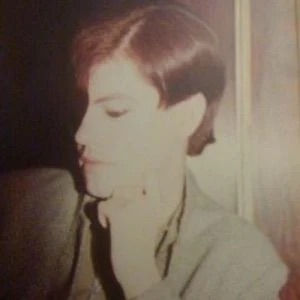
Sean: That's... well, that's an 8 out of 10. Is this photo at Pips, is that what you're telling me?
CM: Yeah, that's me in Pips in 81/82…
Sean: Is that you in the foreground with the Duran Duran t-shirt? Wow, okay… Love it. Love it. How Pips is that? I'll give it a nine, now that I know it's you. That's a great picture. I wouldn't have recognised it was you.
CM: Well, a few years have passed...
Anyone who experienced Pips and can help Sean with the book can contact him on pipsheroes@gmail.com
